
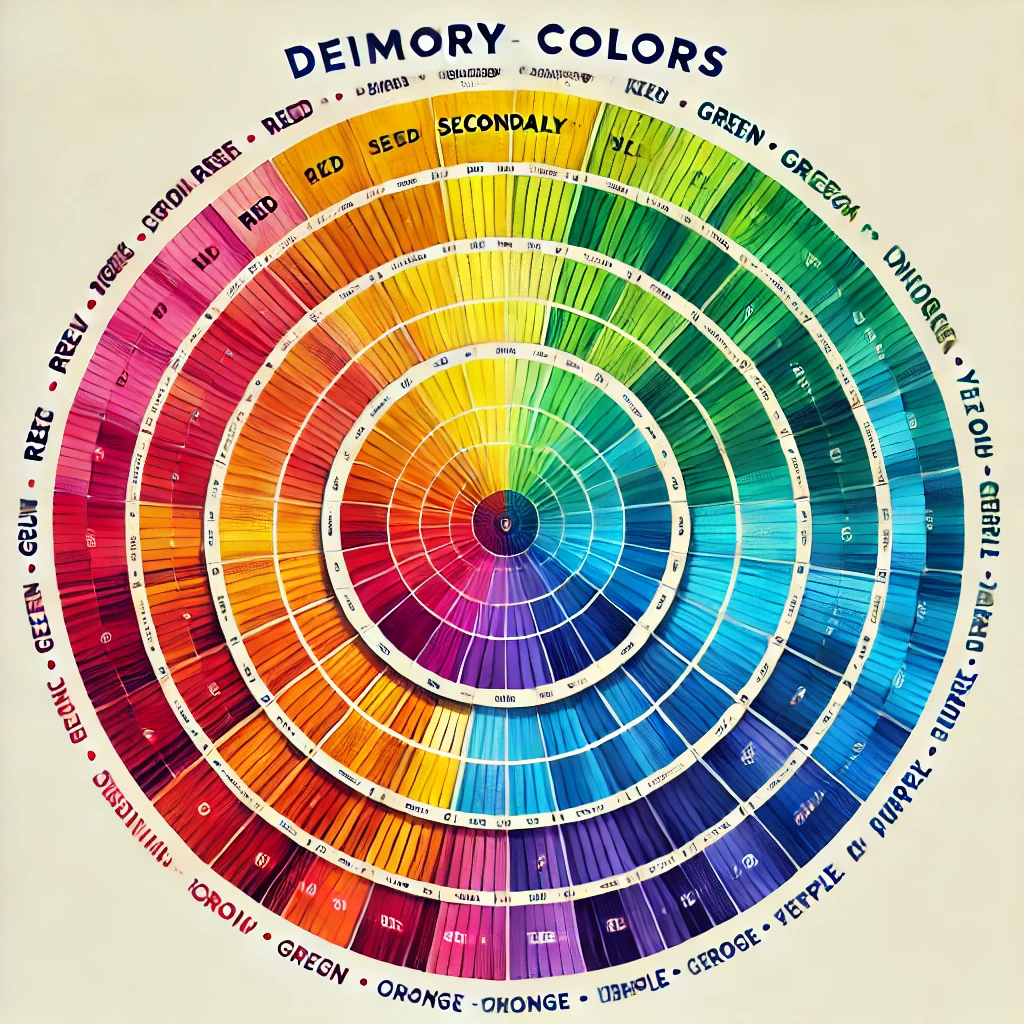
Creating stylish and balanced outfits often comes down to mastering the art of mixing and matching colors. Whether you prefer bold contrasts or harmonious combinations, understanding color coordination can elevate your wardrobe to a whole new level. Here’s a guide to help you mix and match colors like a pro.
1. Understand the Color Wheel
The color wheel is your best friend when it comes to coordinating colors. Here are the key relationships to know:
- Complementary Colors: Colors opposite each other on the wheel, like blue and orange or red and green, create bold contrasts.
- Analogous Colors: Colors next to each other, like yellow, orange, and red, offer a harmonious look.
- Triadic Colors: Three colors evenly spaced on the wheel, such as red, blue, and yellow, provide a balanced yet vibrant palette.
2. Start with a Neutral Base
Neutrals like black, white, gray, beige, or navy are versatile and pair well with any color. Use them as a base to anchor your outfit and add pops of color for interest.
- Example: Pair white trousers with a navy top and add a red scarf for a chic, classic look.
3. Create Monochromatic Looks
A monochromatic outfit uses different shades, tones, and tints of the same color. This creates a sleek and sophisticated look.
- Example: Combine light pink, blush, and deep rose for a soft, feminine outfit.
- Tip: Add texture or metallic accents (like gold jewelry) to keep the look dynamic.
4. Embrace Bold Contrasts
For a striking outfit, pair contrasting colors that pop against each other.
- Examples:
- Red and teal for a daring yet stylish combo.
- Yellow and purple for a bold, fashion-forward statement.
- Tip: Limit contrasting colors to one or two pieces to avoid overwhelming the look.
5. Mix Patterns with Solids
Balancing patterns and solids is a great way to add variety and interest to your outfit.
- Pair a patterned top with solid-colored bottoms in a matching or contrasting hue.
- Keep accessories neutral if your outfit features a bold pattern to avoid clashing.
6. Accessorize with Accent Colors
If you prefer a more subdued outfit, use accessories to introduce contrasting or complementary colors.
- Example: A beige dress paired with turquoise earrings or a mustard-yellow handbag.
- Jewelry Tip: Gold and silver act as neutral tones and can seamlessly tie an outfit together.
7. Play with Textures and Fabrics
Mixing different fabrics and textures can elevate your color combinations.
- Example: A satin emerald green blouse paired with dark-wash denim creates both contrast and visual interest.
8. Consider the Occasion and Season
- Occasions: For formal events, stick to elegant color schemes like black and gold or navy and silver. For casual outings, experiment with fun, vibrant colors like coral, mint, or yellow.
- Seasons:
- Spring/Summer: Opt for light pastels, whites, and vibrant hues.
- Fall/Winter: Choose earthy tones like rust, burgundy, and olive green.
9. Use the 60-30-10 Rule
This style guideline helps you balance colors in your outfit:
- 60% Primary Color: The dominant color in your outfit (e.g., your dress or suit).
- 30% Secondary Color: A complementary or contrasting color (e.g., your blazer or pants).
- 10% Accent Color: A pop of color through accessories like shoes, belts, or jewelry.
10. Experiment and Have Fun
Don’t be afraid to try new combinations! Fashion is all about expressing yourself, so step out of your comfort zone and play with different palettes until you find what works for you.
Final Tip:
Always consider your skin tone and undertone when choosing colors to wear close to your face. Warm undertones pair well with earthy tones, while cool undertones shine in jewel tones and icy pastels.
Add the perfect finishing touch to your outfits with our premium, anti-tarnish jewelry collection that complements any color palette.